February Tasks In Your Wildlife Garden
As we step into February, many gardeners in the UK may think of hanging up their gardening gloves until the winter months are over. Lots of people choose to tiny up at the end of Autumn and then start using their gardens again come Spring to Summer. However this month offers a unique opportunity to support our wildlife friends. There are various tasks you can undertake to create a welcoming environment for birds, insects, and other creatures. Leaving your garden messy can be the best thing you can do to help biodiversity. Don’t worry you can still tidy up but save that until spring once all of your garden visitors are active again.
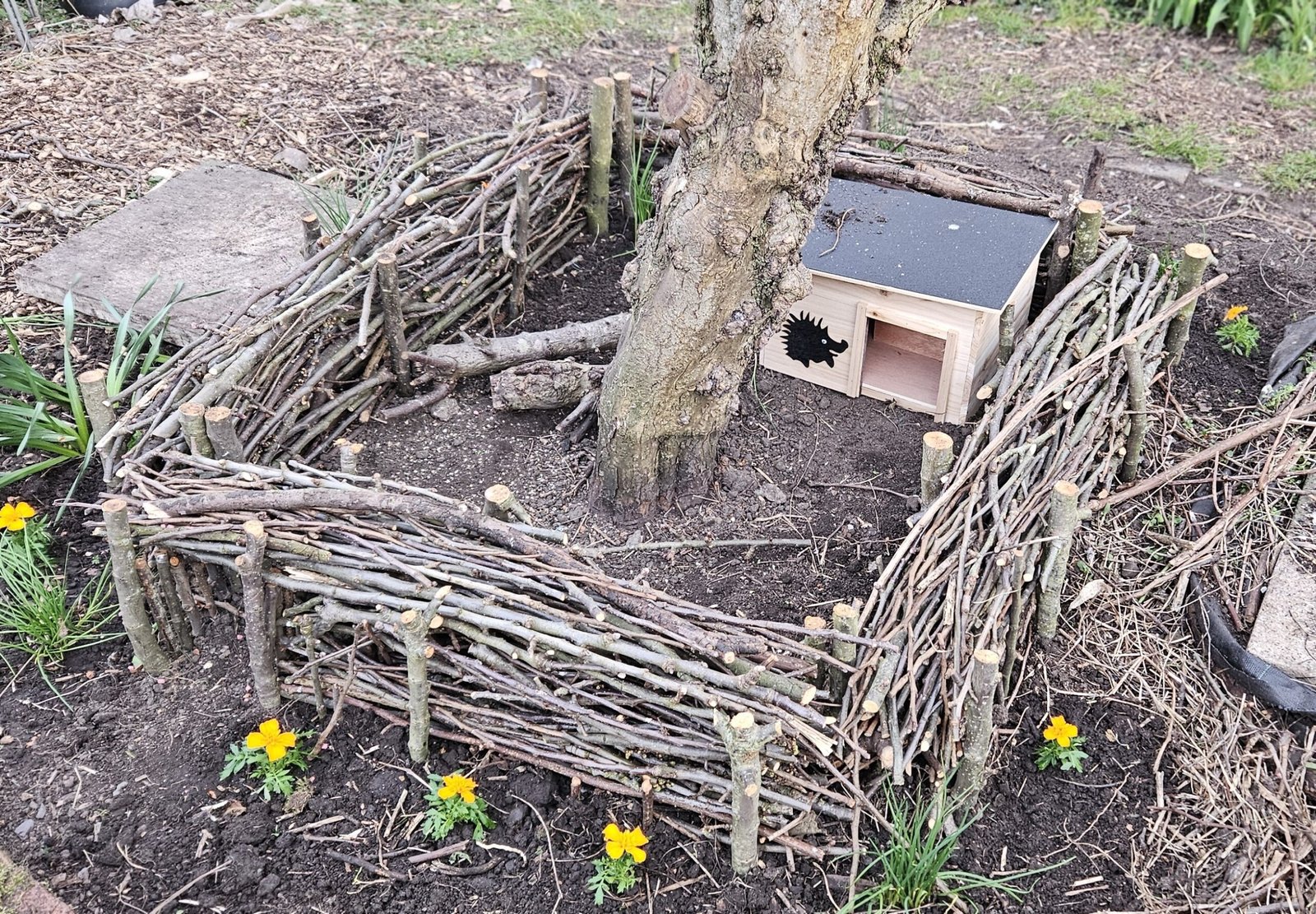
In the past couple of weeks the UK has seen two storms with high winds. Which has left tree branches and twigs strewn about everywhere. I have begun to collect up as many twigs as I can and begun to build a small dead hedge and some smaller twig piles.
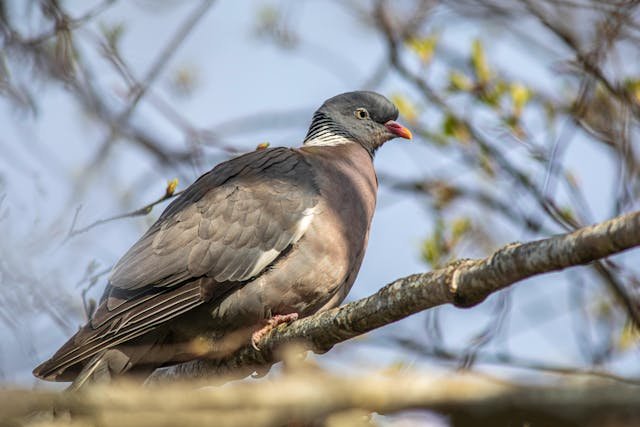
You may be thinking, How does this help wildlife in my garden? and that is a great question. Birds are always on the look out for nesting opportunities and materials as we get closer to their breeding season. The piles of twigs I make are small enough to be able to be picked up to make nests with. In my garden I have a pair of resident Woodpigeons that nest in my Whitebeam tree. They come back every year to the same nest if it survives the winter. If it doesn’t they just build a new one in the same spot. Woodpigeons build a really messy nest from twigs. You wouldn’t believe that they could even sit on it without it falling apart, but every year they manage to have success breeding in my tree.
Carry on Supplying Supplementary Food
One of the most effective ways to help wildlife in your garden is by providing supplementary food. February can still be a barren month for natural food sources as the birds have made the most of winter berries and most insects have been killed by frosts or are hibernating themselves. So in February you should still be filling your bird feeders with a variety of bird seeds, suet cakes and nuts. Consider a feeding station with different foods in different hanging feeders. This will attract a wider species of birds to your garden. Remember to keep the feeders clean to prevent any spread of disease. I clean my feeders weekly and don’t over fill them. just put enough food in your feeders to last a couple of days at a time. This helps keep the food from beginning to rot if it gets wet and become a breeding place for bacteria.
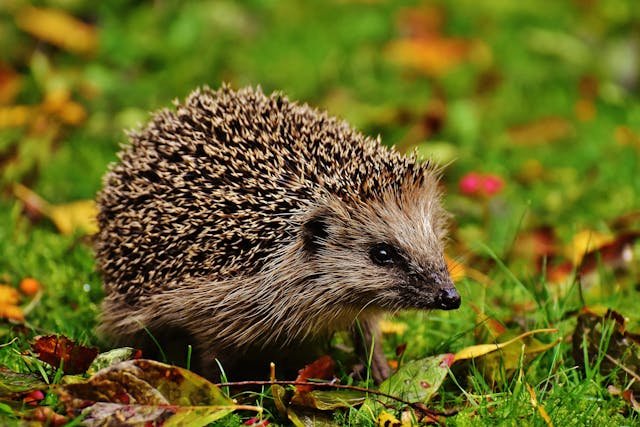
It is not only birds that need your help during the colder days of winter. There will be small mammals that will have made use of leaf piles and wood piles like Newts and Frogs along with beneficial insects. If you are lucky enough to have hedgehogs visit your garden then you may have one hibernating under your hedge or twig pile, happily waiting for March to come along before they wake up for spring. If you do have a hibernating hedgehog then be very careful not to disturb them.
Habitat Improvement
February is a perfect time to improve the habitats in your garden. Check your hedges and larger shrubs to ensure they are in a healthy condition. Giving attention to the 3 D’s of gardening. Remove any dead, damaged or diseased wood from your deciduous shrubs and trees as you can see the whole structure before they spring back into leaf in the coming months. If you have an area that needs more shelter, consider planting native species that will benefit local wildlife. Additionally, leave some areas of your garden wild, leave the leaves on your borders to break down into a mulch and enrich your soil whilst protecting any ground dwelling insects to overwinter under the leaf litter, this is especially good for small mammals and birds as they will dig through the leaf littler to find insects underneath.
Build Insect Hotels
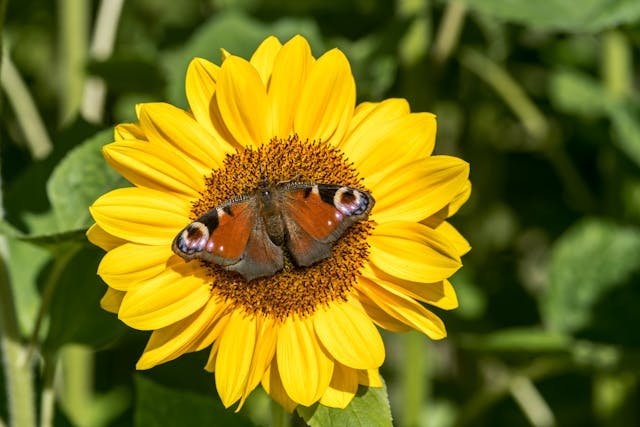
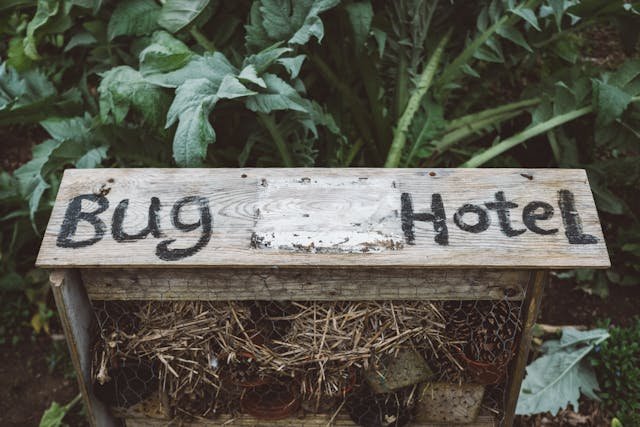
February is also a great time to construct Bug hotels. These structures can provide a home for beneficial insects such as solitary bees, butterflies, ladybirds and lacewings, when they emerge in spring. Gather materials like bamboo, logs, and straw, and assemble them in a sheltered location in your garden.
Insects are a major food source for Birds, Hedgehogs and small mammals. So you want to encourage as many to you garden as possible. I use a lot of companion planting in my garden so that all garden visitors are fed and it makes for much better biodiverse habitat.
Build A Wildlife Pond
If you have the space, the addition of a small wildlife pond can bring in so much wildlife, from Frogs to Newts, Dragonflies to Water Boatman and Mosquitos, which will in turn help local bat colonies. With lots of small projects you can slowly make your garden more wildlife friendly. Take your time, let it evolve and you’ll begin to be able to observe animals in their natural environment. If you can get your neighbours onboard too, you could create a wildlife highway and this would be immensely important for local biodiversity especially if you live in an urban area like myself.