Understanding the Risks: Diseases in Birds
Maintaining bird feeders in a clean condition is essential to prevent the spread of various diseases that can afflict birds. Failure to regularly clean feeders can result in unsanitary conditions that facilitate the transmission of pathogens among avian species. Some of the most common diseases affecting birds due to dirty feeders include salmonellosis, trichomoniasis, and avian pox. These ailments can lead to severe health issues for birds, sometimes resulting in death.
Salmonellosis is caused by the Salmonella bacterium, which can thrive in contaminated bird seed and water. Infected birds may exhibit symptoms such as lethargy, ruffled feathers, and diarrhea, which often leads to dehydration. Trichomoniasis, primarily affecting doves and pigeons, is caused by a protozoan parasite. Symptoms typically include difficulty swallowing, regurgitation, and a swollen throat. This disease can rapidly spread in feeding areas where many birds congregate, highlighting the importance of maintaining clean feeders. Similarly, avian pox presents itself through swollen lesions on the skin and around the eyes, and can significantly affect a bird’s ability to feed and thrive.
Birds often gather at feeders in large numbers, making the environment ripe for disease transmission. Bird-to-bird contact, as well as contamination of food and water sources, enables these illnesses to spread quickly through local populations. When one bird becomes infected, it jeopardises not only its health but also that of other birds in the vicinity. The impact on local ecosystems can be profound, as declines in specific bird populations can disrupt ecological balances, affecting plant pollination and seed dispersion.
Hence, cleaning bird feeders and surrounding areas regularly is crucial in ensuring the health of individual birds and the broader ecosystem. Regular maintenance, including washing feeders with a mild bleach solution and ensuring that spilled seeds do not accumulate, can significantly reduce the risks associated with these hazardous diseases.
Mouldy Feed: Dangers to Birds
Maintaining the cleanliness of bird feeders is crucial for ensuring the health of your avian visitors. When feeders are not regularly cleaned, the food inside can become mouldy. Several factors contribute to the growth of mould in bird feed, including moisture from rain, warmth, and the presence of stale or uneaten food. In humid climates or during periods of wet weather, seeds and other food items can absorb moisture, creating an environment conducive to mould and bacteria growth. Additionally, leaving food in a feeder for extended periods increases the chances of spoilage and mould development.
The consumption of mouldy food poses serious health risks to birds. Mould can produce mycotoxins, harmful compounds that can lead to a variety of health issues. Birds ingesting mouldy seeds may experience a range of symptoms such as lethargy, digestive problems, and respiratory distress. In more severe cases, exposure to these toxic substances can result in lethargy, neurological disorders, and even death. Research has shown that some species are particularly vulnerable to the effects of mould, highlighting the importance of vigilance in feeder maintenance.
To mitigate these risks, it is essential to regularly inspect and clean feeders. A thorough cleaning involves removing any old feed, rinsing the feeder with hot, soapy water, and allowing it to dry completely before refilling. This practice not only ensures the removal of mould but also helps prevent the build-up of bacteria and parasites that can harm birds. Providing safe, fresh food through proper feeder maintenance ultimately supports the well-being of the birds visiting your feeders. A clean feeding environment contributes significantly to their overall health, allowing them to thrive while enjoying the sustenance you offer.
Best Practices for Cleaning Bird Feeders
Maintaining clean bird feeders is essential for the health and well-being of the birds you aim to attract. Regular cleaning prevents the spread of diseases and ensures that your feathered friends have access to safe food. Below are recommended practices and materials for effectively cleaning bird feeders.

First, gather the necessary cleaning supplies. You will need a pair of gloves, a soft brush https://amzn.to/490mEk1 or sponge, a bucket for soaking, and an appropriate cleaning solution. https://amzn.to/3Op8DCZ For those who prefer natural solutions, a mixture of water and vinegar or a mild soap is highly recommended. Avoid using harsh chemicals, as they can be harmful to birds.
Next, disassemble the feeder according to its design. Remove any leftover seeds and deodorize the area by rinsing it out. If possible, soak removable components in a solution of one part vinegar to four parts water for approximately 30 minutes. This allows any potentially harmful bacteria to be effectively eliminated.
After soaking, scrub all surfaces with a soft brush or sponge, ensuring you reach crevices where seeds may accumulate. Rinse thoroughly with clean water to remove any soap residue. For feeders made from wood, ensure the wood is treated to avoid mold growth, as untreated wood can absorb moisture and deteriorate. For plastic or metal feeders, ensure they are thoroughly dried before reassembly.
Frequency of cleaning bird feeders changes based on environmental conditions and usage. Ideally, feeders should be cleaned every two weeks, but if they are situated in damp or humid areas, or if there are many birds visiting, weekly cleaning is best. During the peak migration seasons, take extra care to maintain cleanliness. By following these best practices, you can provide a healthy feeding environment for your avian visitors.
It is very easy for humans to become ill from handling wild birds and feeders. It is just as important for you to maintain hand cleanliness after handling bird feeders by washing your hands immediately after handling. You must also never touch your face whilst handling wild birds or feeders as this is an easy way to inhale spores and bacteria.
Building a Healthy Habitat
Maintaining clean bird feeders is a fundamental aspect of nurturing a thriving bird community. Not only does regular upkeep improve the health of individual birds, but it also promotes the overall well-being of diverse bird species. When feeders are kept free from mould, bacteria, and old food, birds are less likely to contract diseases. This fosters a healthier environment, allowing them to thrive and reproduce effectively. Consequently, a cleaner feeding area encourages a higher frequency of visits from various bird species.
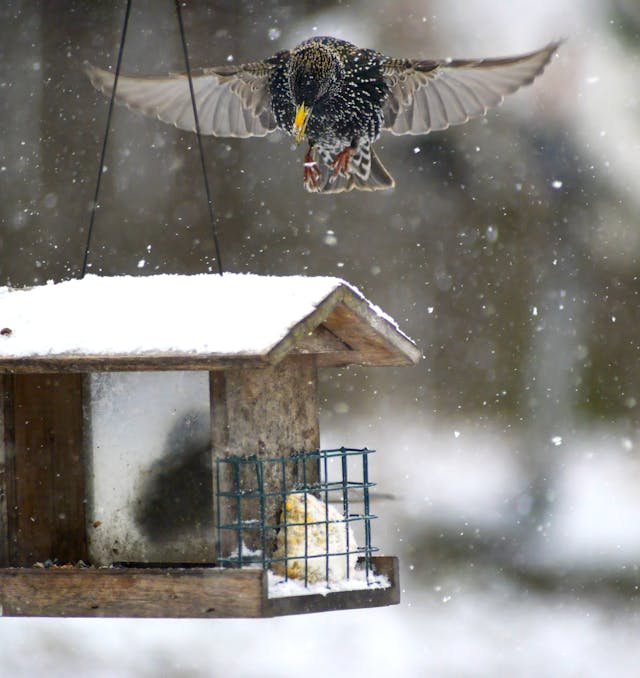
Additionally, a clean bird feeder serves as a reliable food source, particularly during harsh weather conditions when natural food may be scarce. As birds become accustomed to visiting your feeders, they can build trust toward us. This in turn lets you get closer to birds in their natural habitat and you will be able to spend lots of time just watching the birds and how they interact with each other. You may even find that certain species like Robins may begin to come closer to you to seek interaction.
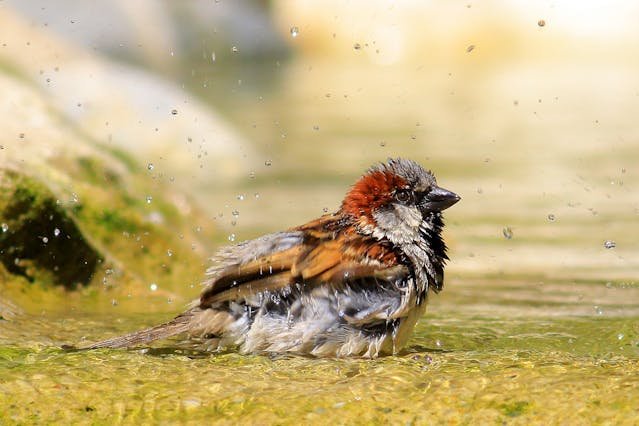
Beyond the feeders, bird enthusiasts can adopt more strategies to enrich their garden habitats. Incorporating native plants that produce seeds and berries can provide birds with natural food sources, while adding water features such as birdbaths or small ponds can offer essential hydration and bathing opportunities. Additionally, installing nesting boxes can encourage breeding and provide shelter for various species.
Ultimately, by taking these steps, you are not only contributing to the health of your visiting birds but also cultivating an enriching environment that supports both wildlife and human enjoyment. Through diligent care and attention, any garden can become a significant haven for birds.