What is a dead hedge?
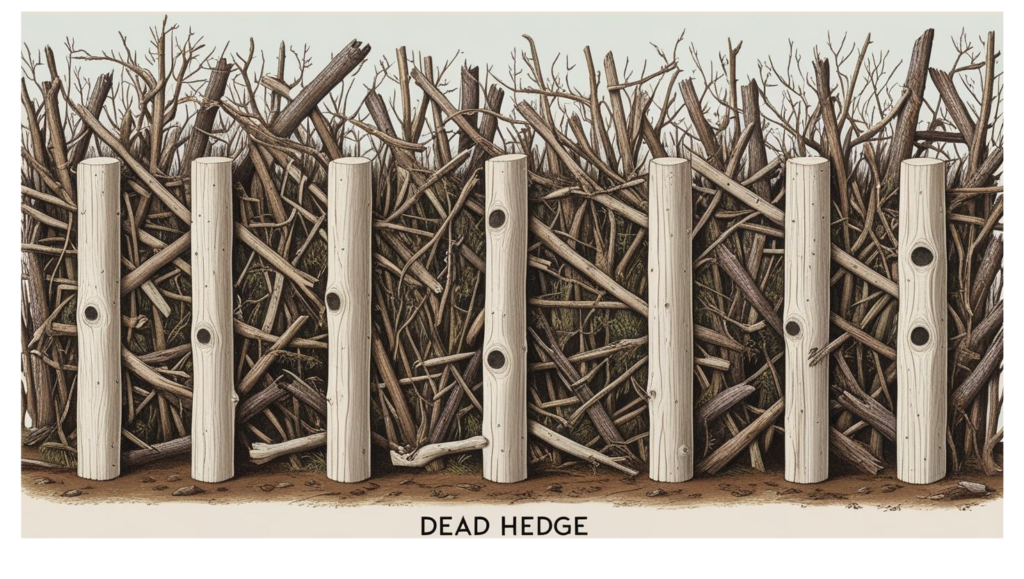
Dead Hedges are a collection of dead tree or shrub branches all stacked together between wooden stakes to form a natural hedge or barrier. This is not a typical hedge that grows and produces a nice leafy backdrop. This hedge is dead as the name suggests.
Why Build A Dead Hedge?
There are many reasons to build a dead hedge. Mostly all are related to encouraging biodiversity into the given area. In the wild trees will naturally drop branches whether it be because of wind, disease or just a natural occurrence. Unless these areas are managed the branches will begin to build up season by season creating height and width and it is within and below these piles or natural dead wood that the natural world can thrive.
How Does It Thrive?
Amongst dead piles of branches and fallen leaves there are a lot of processes happening. Bacteria and Fungi are beginning to colonise the branches, helping the process of them breaking down. Moisture is retained and as there is airflow through the dead hedge this becomes a perfect habitat for lots of creatures and plant life.
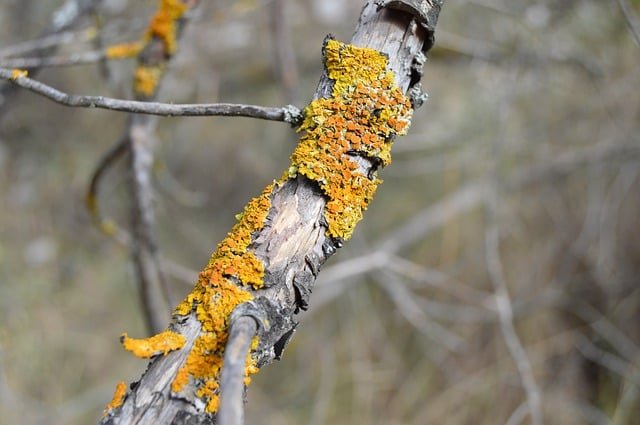
Lichen will begin to grow on the dead wood, slowly colonising it. It has water holding properties so can keep the dead hedge moisture levels up helping with decomposition. Lichen is an important food source for many spiders, moths and invertebrates. In some countries reindeer are fully reliant on Lichen as a food source during harsh weather conditions where fallen trees are a plenty.
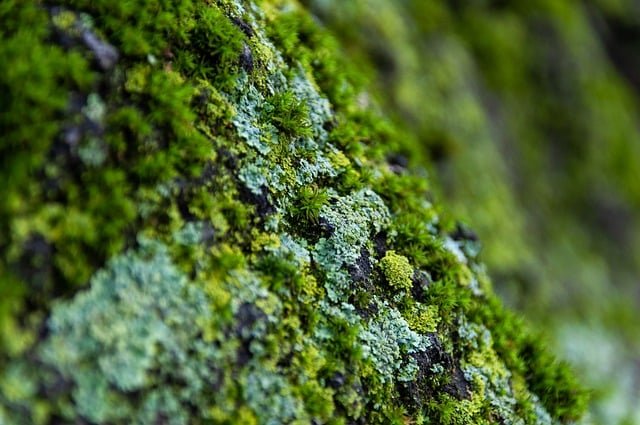

There are 100’s of moss species in the UK. Just like Lichen they have an ability to capture and hold water. Moss is also a large pollutant absorber, filtering out heavy metals and carbon dioxide from the atmosphere and water. It creates it’s own humid microenvironment which in turn is good for other plants and wildlife.
Fungi will form on rotting wood as it breaks down, which in turn creates a food source for many insects, Larger mammals and rodents.

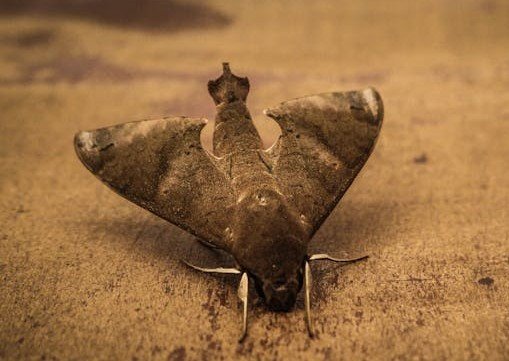
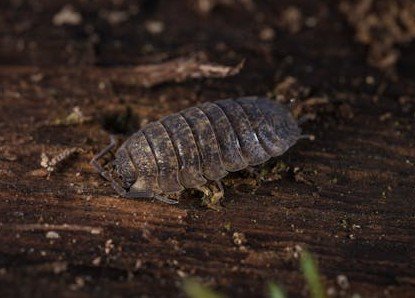
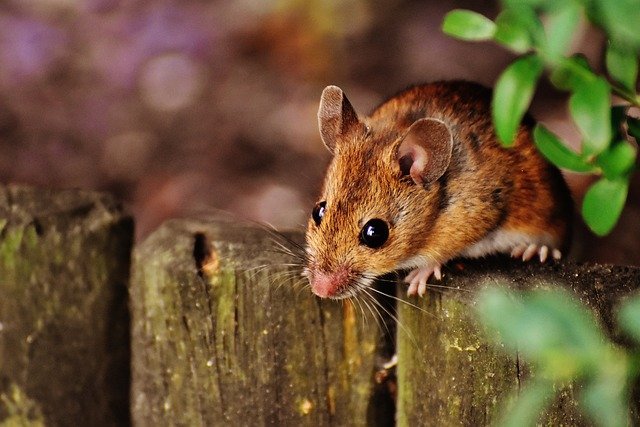
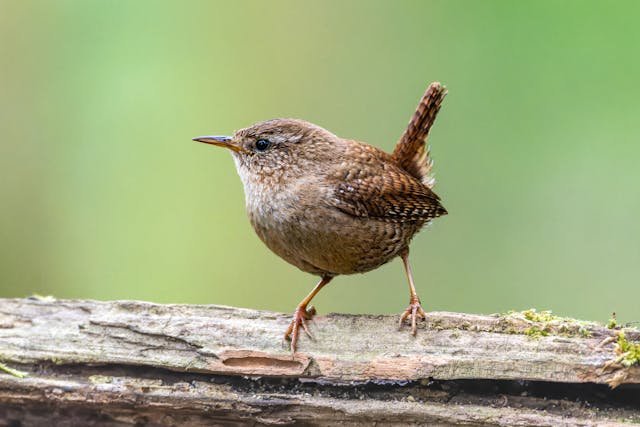
A dead hedge is a perfect hiding place for small mammals, insects and birds. Due to it’s woven structure there will be lots of pockets of space for birds to nest, such as Wrens, Robins, Dunnock and Blackbirds. Hedgehogs will nest, feed and hibernate in there also, as well as many other small mammals.

All of these processes together begin to add nutrients to the soil below as they break down, helping to nourish the ground. Dead hedges not only benefit wildlife by supplying them safety, nesting opportunities and food sources, they also help the environment from the air to the ground beneath.
Now is the ideal time to be building a dead hedge, as trees have become dormant for winter it is time to carry out the three D’s. Pruning out of Dead, Diseased and damaged branches. Removing the damaged and diseased branches gives your dead hedge a good start as the breakdown process has already begun on these pruning’s. Animals and birds are ready to hunker down and shelter from the cold weather that winter throws at them. This is one of the most helpful things you can do for the wildlife in your garden to ensure it’s chance of surviving another winter.
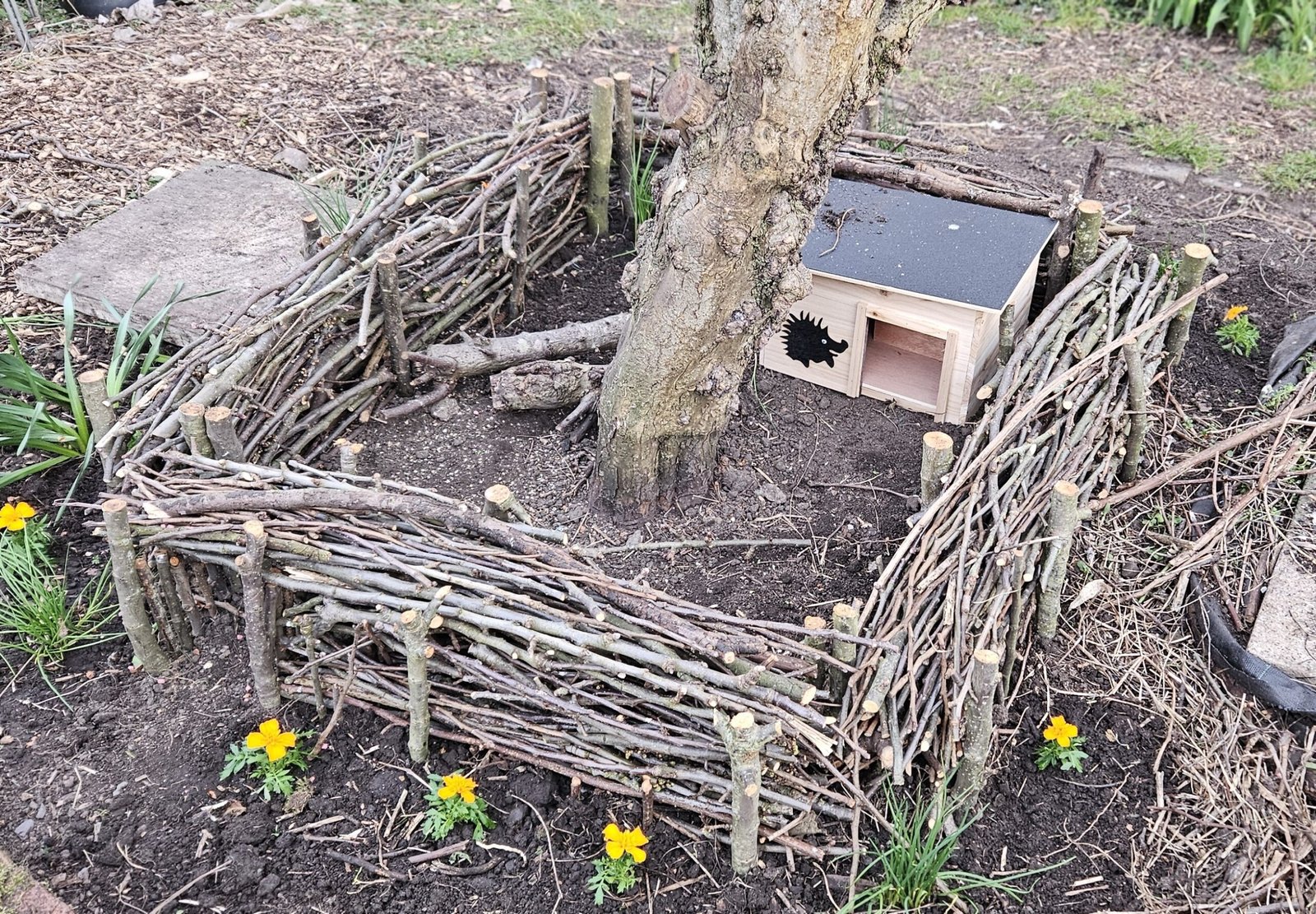
On my allotment, I have many fruit trees which are pruned in winter. I have started building a small tree surround dead hedge from all of the branches. I also added a little doorway through and put a hedgehog house inside. This lets me keep my fruit trees pruned regularly and to responsibly dispose of the pruning’s in a very environmentally friendly way where others would burn the pruning’s and gives my allotment wildlife a good place to stay over winter.
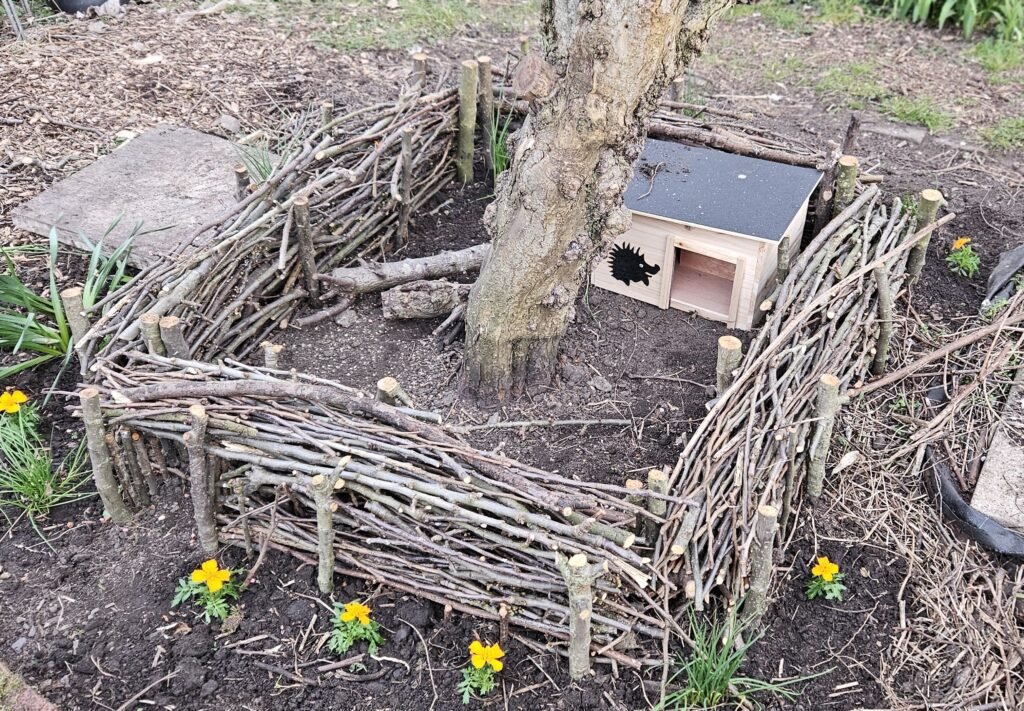
My mini dead hedge around my apple tree created last winter was a great success. Every now and then i would find branches pulled off and |I realised it was birds removing branches to take for nest building, so I was really pleased with this and also added a pile off shorter branches next to the hedge and these were quickly taken away by birds also. My mini dead hedge is also surrounded by grasses and flowers during Spring, Summer and Autumn so creates great cover for the hedgehog house especially when the tree is in full leaf, it creates a dark. cool place for hedgehogs to hang out in their little house. This year I am going to build the back wall a little taller to create an even better space for the hedgehogs.