Introduction to Bird Habitats
Creating bird-friendly habitats in our gardens and communities holds significant importance in supporting bird populations and promoting biodiversity. As urbanisation continues to expand, many birds face challenges in finding suitable environments that provide the essential elements for their survival. By focusing on planting native shrubs and trees, we can make a substantial impact, fostering natural food sources, shelter and nesting sites for various bird species.

Native shrubs play a crucial role in bird habitats. They serve as a natural food source by producing berries and seeds. They are also food sources for many insects, all of which are vital for birds throughout the seasons. For example, species like elderberry, hawthorn and holly not only offer nourishment but additionally provide essential shelter. Allowing birds to hide from predators, protect their nests and shield themselves from harsh weather conditions. These plants also help to create layered height in a planting scheme.
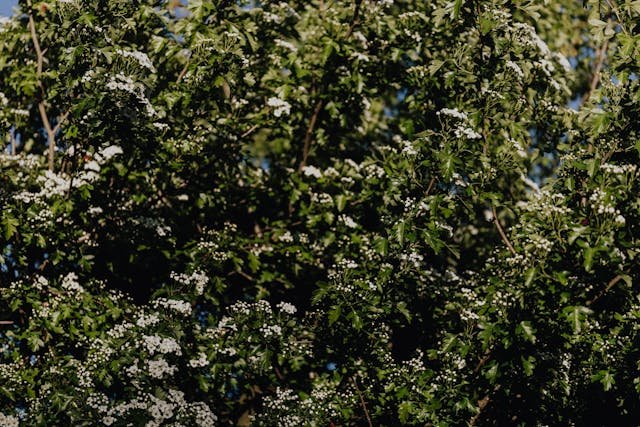
The significance of biodiversity cannot be overstated. Planting native shrubs enhances the ecosystem by attracting a variety of bird species that are also native to the area. whilst also supporting other wildlife. A diverse garden contributes to a healthier environment, where birds can thrive alongside pollinators and other beneficial insects. Each plant species interacts intricately with its ecosystem, highlighting the importance of selecting plants that are indigenous to the area. The integration of these native plants can significantly improve the ecological health of community spaces, leading to greater resilience against invasive species and environmental changes.
The Benefits of Planting Shrubs
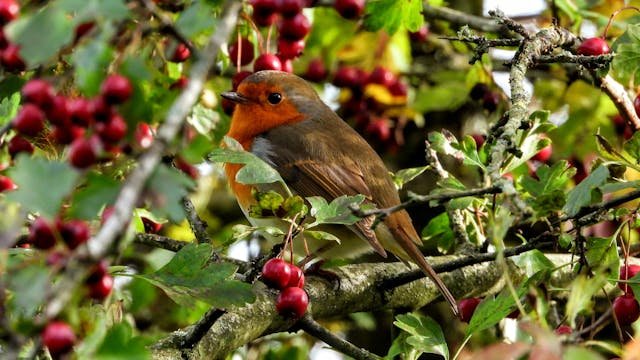
I love relaxing in my garden, watching the birds move between my plants and feeders, chasing and interacting with each other and there is usually a cheeky robin that tries to chase away other birds—it’s something I could do for hours and have always done since childhood. My evergreen shrubs provide habitat and food for wildlife, while also acting as a privacy screen from neighbouring houses. When planting shrubs in my garden, I always consider their benefits for wildlife. With my customers, I discuss choosing native shrubs that support nature over others that have no beneficial qualities. I try to plant varieties that produce berries or seeds, as these are essential food sources for birds. My motto has always been if you provide the food the birds will come back time after time.
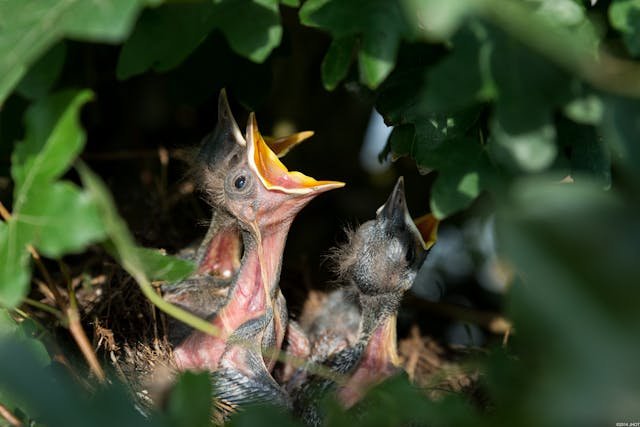
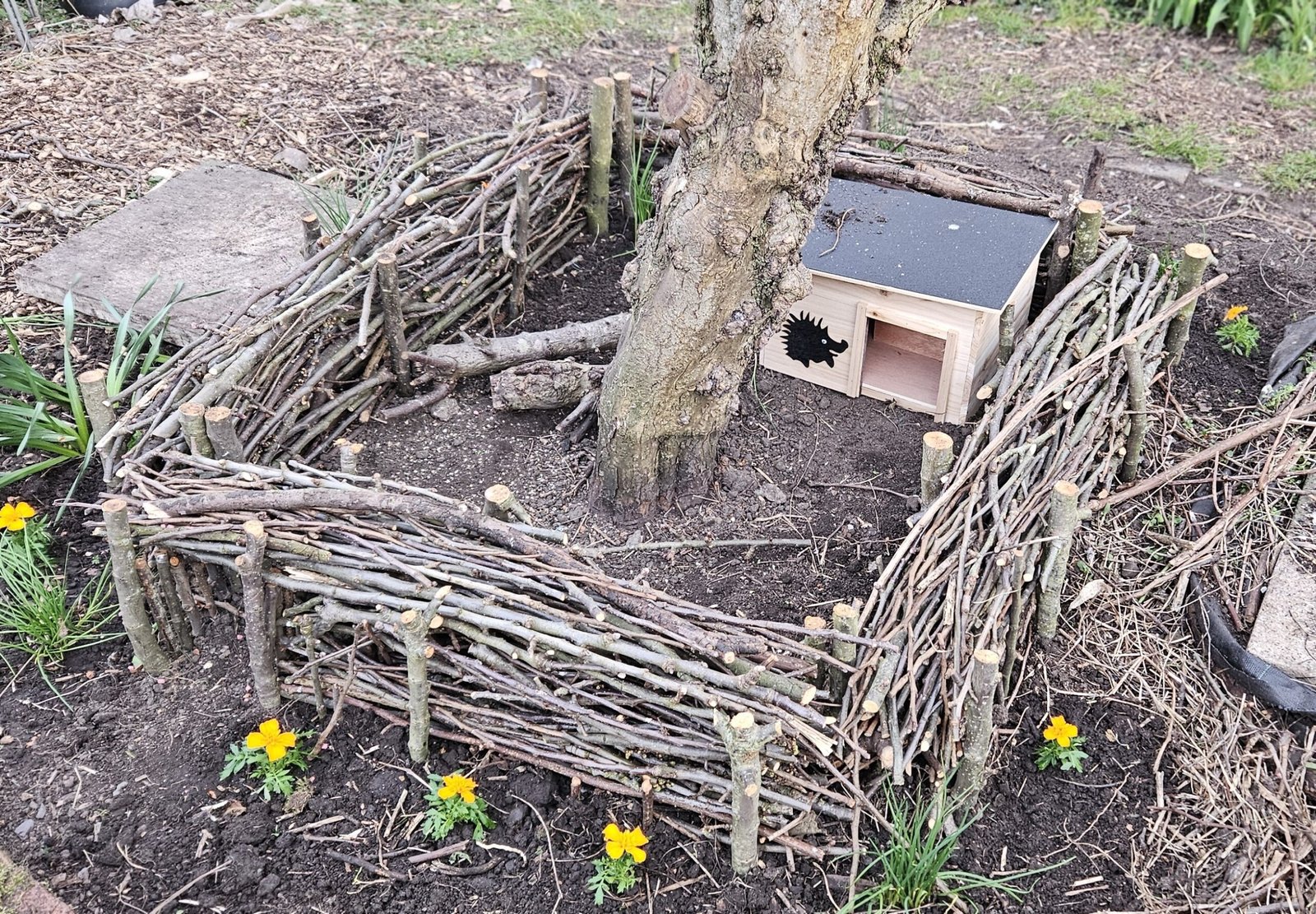
Not only do these shrubs offer food, they also offer shelter and nesting opportunities for birds and other local wildlife. They offer homes for insects and small mammals. Their thick foliage protects birds and other animals from predators like cats and larger birds such as magpies and sparrowhawks. Shrubs also provide food for caterpillars and insects, and hedgehogs often use mixed hedges as a cosy winter refuge.
Choosing the Right Shrubs for Birds
When it comes to choosing the right shrubs to create bird-friendly habitats, native species should be prioritised, as they are better adapted to you local climate, your soil conditions and they provide essential resources for native bird populations. By planting shrubs that naturally occur in your area, you not only support local biodiversity but also enhance the ecological balance within your garden or landscape.
When selecting shrubs for bird habitats, consider their fruiting and flowering characteristics. I will always choose a range of shrubs and trees that flower and produce berries at staggered times throughout the year. This provides a constant source of food especially in winter when food is more scarce. Additionally, flowers that produce nectar are especially beneficial for pollinators.
Growth conditions are equally significant when choosing shrubs for your bird-friendly garden. Evaluate the soil type, sunlight availability, and moisture levels in your planting area. Some birds prefer dense thickets for shelter, while others may seek open spaces or elevated perches. Selecting a mix of shrubs that covers various heights, growth patterns, and densities will create a welcoming environment, providing both food and shelter for a diverse range of birds.
Understanding how different bird species utilise shrubs is essential when planning your planting scheme. For example, ground-feeding birds like Dunnocks may be attracted to lower shrubs, while larger songbirds like Thrushes might prefer those with denser foliage and thorns for nesting and protection. By carefully considering these factors, you can cultivate a thriving habitat that supports the myriad of birds within your locality.
Edible Table of Bird-Friendly Shrubs
So which shrubs should I choose? This is a question I get asked a lot, so I have compiled a small table of my favourite shrubs to use in UK gardens.
This table provides a reference for anyone aiming to create a bird-friendly garden . All of these plants also provide many other mammals and insects with food and nesting opportunities. Lots of moth and butterfly specials rely on these plants as food sources for their caterpillars which also in turn provide birds with a high protein food source.

Creating a Diverse Shrub Habitat
Now you have your larger shrubs picked out you can now concentrate on smaller plants that can provide food by way of seed heads or the insects they attract. There are many birds like Goldfinches and Sparrows for instance that will eat the seeds directly the seed heads of flowers that have been left to set seed and not cut down but left over winter to dry out. This is a vital source of natural winter food for small birds and helps towards creating a diverse habitat that caters to various bird species. One of the most effective ways to attract a multitude of birds is by ensuring a variety of shrubs, flowers and grasses are planted. Different bird species have distinct dietary requirements, including nectar, seeds, and fruit. This can be achieved with a varied planting scheme.
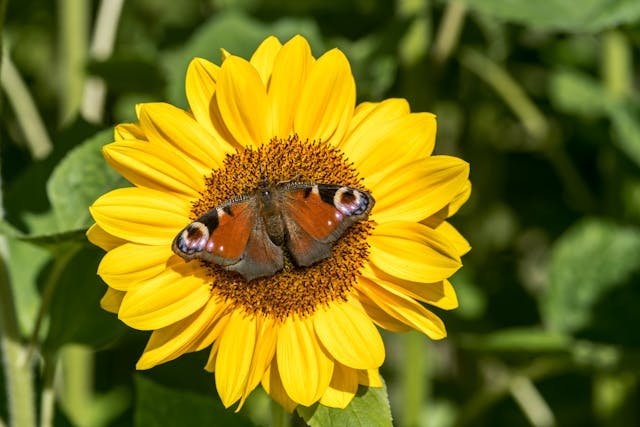
In addition to nectar-producing plants, Perennials that yield seeds, such as Coneflowers (Echinacea) or black-eyed Susan (Rudbeckia) can effectively draw in seed-eating birds when left to go to seed. This is achieved by not cutting the flowers down over winter and leaving them in situ until the following spring before tidying up the plants. You can always add annual flowers like Sunflowers which provide a huge amount of benefit to birds with their giant seed heads. My one favourite plant that I think is a must and once you have it, it will self seed and be in the garden always is Teasle. Left over winter these are one of the best plants for small birds as they provide lots of small seed and the stems are tough enough for little birds to cling onto and feed. They also look striking over winter especially if it has snowed.
Mixing Plant Heights
Creating varying vegetation heights is a must, mixing tall and short shrubs can create layers that provide shelter and nesting opportunities, which are essential for resident birds and can even benefit migratory species as they traverse varied landscapes. It also strengthens the ecological balance, encouraging a vibrant community of insects that can serve as additional food sources for birds. By focusing on diversity in shrub selection, we can create an enriching environment that supports bird populations and promotes the coexistence of a variety of species within their natural habitat.
Certain birds like to nest high and others low and with the rule of differing height and thicknesses of foliage this can easily be achieved. This will enable a variety of different birds to coexist around the same area.
Now it is time to sit back and watch the wildlife start to populate your garden. As the plants grow and the seasons change you’ll discover a whole world of wildlife that you didn’t notice before. With time you’ll find yourself adding in other plants, flowers or maybe even a small wildlife pond. Your garden will evolve into a beautiful wildlife haven and you won’t be hasty to tidy up the leaf litter and trim everything back as you know what is lying beneath it all, other natural habitats of their own that will feed you birds through the cold winter months, Moths incubating away to emerge in spring and the life cycle will start again and you will have done your small part in creating a whole ecosystem for you and your bird friends to enjoy and thrive.